
AI disclosure statement: No AI tools were used in the production of this piece.
Listen to the whole story here:
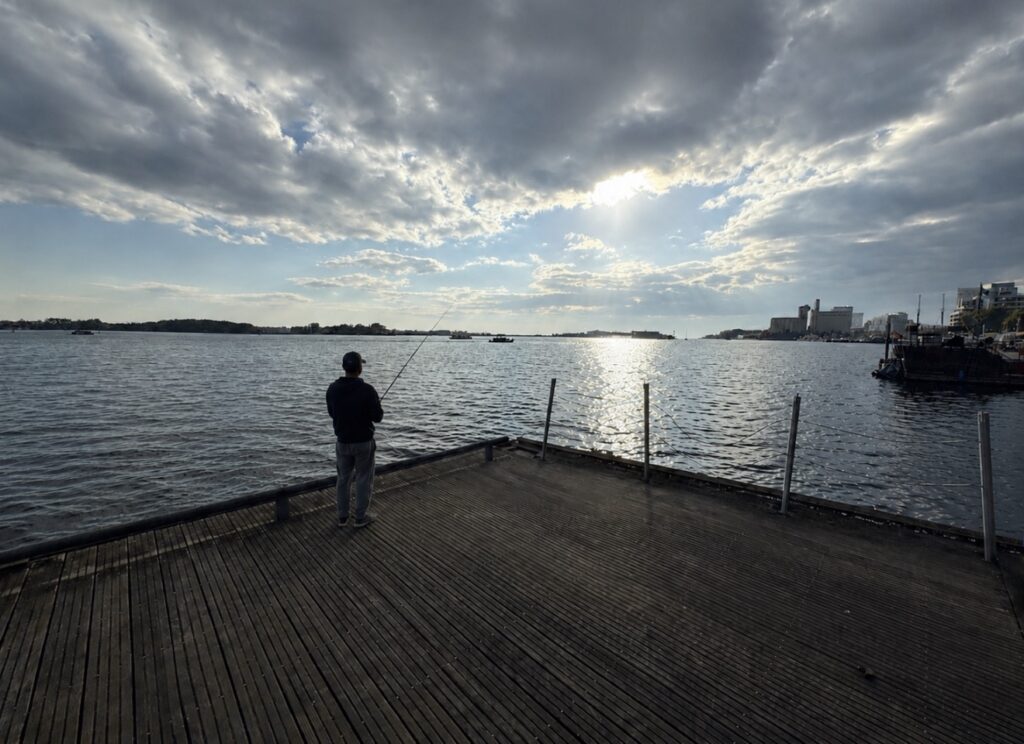
For Toronto anglers, October doesn’t just mark cooler weather and fewer people along the waterfront. Depending on where they fish and which species they target, the start of the month may bring changes to the rules governing what they are legally allowed to catch.
Ontario’s fishing regulations set different open and closed seasons for different species and bodies of water. Sept. 30 and Oct. 1 mark the end of several fishing seasons in parts of the province, making the transition an important reminder for recreational anglers to check the rules before heading out.
Benedict Wang, a conservation officer with the province of Ontario, said violations involving prohibited fish become more common during seasonal transitions, often because anglers forget when restrictions take effect.
“It’s good to put the word out and remind people of the rule changes,” Wang said.
For younger anglers and students who fish recreationally, keeping up with changing regulations can be particularly important, especially when visiting unfamiliar fishing spots or moving between lakes and rivers, where the rules can sometimes be confusing for people who don’t check them regularly.
What changes on Oct. 1?
Under Ontario’s fishing regulations, a closed season is a period when anglers are not legally allowed to target a particular species, even if they intend to release it. The restrictions are intended to help manage fish populations and protect species during vulnerable periods. Ontario’s official guidance on open fishing seasons outlines how the rules apply.
For Toronto-area anglers, the relevant rules fall primarily under two fisheries management zones: Fisheries Management Zone 16, which includes Toronto and much of southern Ontario, and Fisheries Management Zone 20, which covers the Canadian waters of Lake Ontario.
In FMZ 20, which includes the Canadian waters of Lake Ontario, lake trout season closes after Sept. 30 and reopens in December. Brown trout, rainbow trout and Pacific salmon, however, have open seasons throughout the year under the zone-wide rules. Additional restrictions may apply to particular locations.
In FMZ 16, which covers other parts of southern Ontario, the zone-wide seasons for brook trout, brown trout, lake trout, rainbow trout and Pacific salmon generally end on Sept. 30. Exceptions apply to certain waters of the Toronto area.
Lake sturgeon are closed to recreational fishing year-round in both zones.
The legal framework includes the Ontario Fishery Regulations, 2007, under the federal Fisheries Act, alongside provincial legislation and regulations. Anglers can find information about seasonal changes through several official channels. The Ontario government publishes an annual Fishing Regulations Summary, which outlines open and closed seasons, catch limits and restrictions by fishing zone. The province also provides online fishing notices and updates and Fish ON-Line resources to help anglers check location-specific information. Conservation officers can provide guidance during patrols and inspections, while local signs and public notices may communicate restrictions in particular areas.
Ultimately, anglers are responsible for checking the regulations that apply to the species and location where they plan to fish.
A younger generation of anglers
For university students, recreational fishing can be a way to spend time outdoors, connect with friends and explore Toronto’s waterfront and surrounding conservation areas. But knowing where to fish is only part of the equation. Anglers also need to understand which species they can target and when.
Jean Marcel, a York University student and avid fisherman, said he has yet to personally encounter a conservation officer while fishing. However, he has heard stories from his father and other anglers about officers checking fishing licences and whether their catches comply with regulations.
Marcel said he was not actively knowledgeable about how fishing regulations change between seasons, but emphasized the importance of checking the rules before heading out.
“It is just safe to double check the rules before you go out fishing,” he said.
Cooper MacDonald, a seasonal angler and Ontario Tech University student, said he has encountered conservation officers while ice fishing. He recalled an instance when officers on snowmobiles checked anglers leaving a frozen lake through a narrow access point.
“They asked for our licenses, checked our fish pretty quickly and moved on to the next group,” MacDonald said.
He also said his father, who also fishes and hunts, has told him that these checks happen fairly often during ice fishing season, although they are less common during regular fishing trips.
For students who fish outside their usual locations, checking the rules is especially important. A species that can legally be targeted in one body of water may be off-limits in another, even within the same region or during different seasons.
Why checking the rules matters
Ontario’s conservation officers enforce fishing regulations through patrols, inspections and investigations into suspected violations. Depending on the circumstances, violations can result in charges, fines (From $200– $25,000, imprisonment for up to one year, or both depending on criminal history) and the seizure or forfeiture of illegally caught fish and fishing equipment.
For Wang, communicating the rules is an important part of preventing these violations.
With restrictions varying by species and location, the message for recreational anglers is straightforward: check the regulations before casting a line and make sure the fish you are targeting are in season, as the rules can vary depending on where you go.

Reporter, OTR, F2026.
