
Listen to the whole story here:
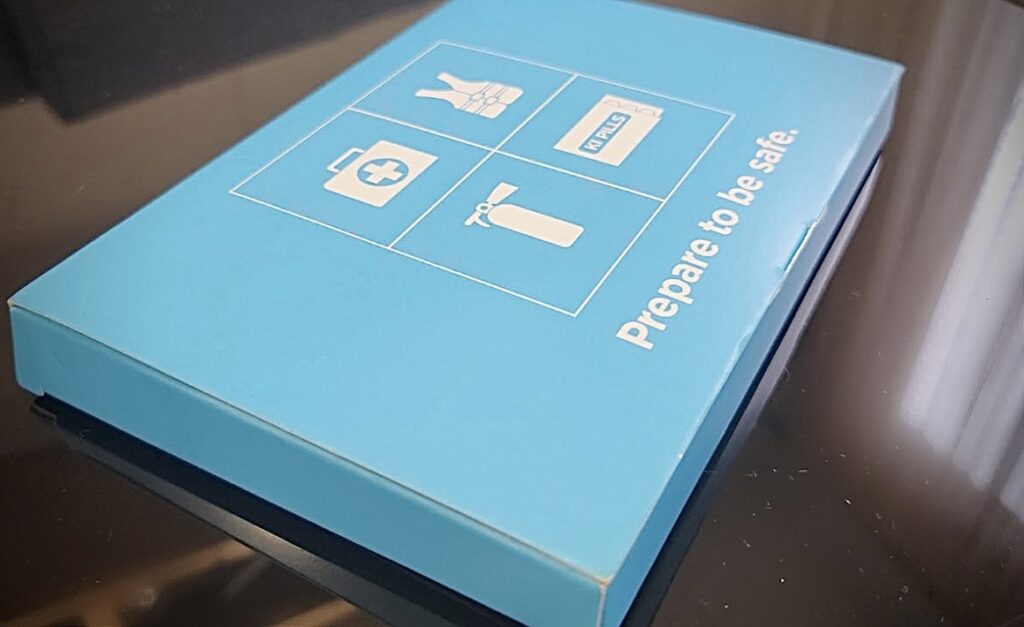
As of February 2026, Ontario Power Generation (OPG) began the process of sending out replacement potassium iodide pills to people living within 10 kilometres of the two major nuclear generating stations located within the Durham Region, the Pickering and Darlington stations.
While living near these stations can raise concerns for some residents, municipal governments and provincial agencies maintain emergency preparedness measures aimed at protecting communities, including replacing the expired set of pills they sent out in 2015. This seems to have come as a surprise to some residents because awareness of these public safety programs and how to respond in the unlikely event of a nuclear incident varies.
“I had not even vaguely heard of them,” said Jake McAuley, who lives in east Scarborough, in a phone interview when asked whether he knew free KI pills were available to him and other residents living near nuclear generating stations.
“Nobody I know is informed in any meaningful way.”
In the event of a nuclear emergency at either of these stations, Ontario’s response plans would be led by the provincial government in coordination with the Regional Municipality of Durham and the City of Toronto.
The plan includes public emergency alerts, hold and secure instructions and evacuation procedures depending on the situation. It also includes potassium iodide pills, more commonly known as KI pills.
Potassium iodide is a stable form of iodine. In a nuclear emergency involving a release of radioactive iodine, the thyroid gland can absorb that radioactive material through breathing or ingestion, according to the Canadian Nuclear Safety Commission’s website.
It says KI pills work by filling the thyroid with stable iodine first, which reduces or blocks the amount of radioactive iodine the body can take in. When taken at the correct time and only when directed by public health officials, this can lower the risk of thyroid cancer, particularly in children and other more sensitive groups.
“Even though Pickering Nuclear has operated safely for more than 50 years without a major incident, emergency preparedness includes planning for unlikely scenarios. KI pills are one of several precautionary tools used across Ontario’s nuclear safety framework,” wrote Mark Guinto, division head of public affairs for Pickering, in an email.
His mention of the 50-year mark is surprising, given that records from the charity Ontario Clean Air Alliance show that Pickering’s nuclear plant has suffered both major and minor incidents since it began operating in the early 1970s, including as recently as 1994, when there was a leak of 185 tonnes of heavy water.
Heavy water is a type of water where the usual hydrogen atoms are replaced with deuterium, and is about 10 per cent heavier than regular water. This type of water is not radioactive, but when released from a nuclear plant, it contains tritium, which at certain doses causes environmental risk, exposure to carcinogens and chemicals leading to mutation. While the water surrounding the plant currently contains tritium, the Government of Canada states that the level does not pose a significant risk to those in the surrounding areas.
Guinto says that many residents within the 10-kilometre radius received KI pills in the past, but many people don’t realize that replacement pills will be mailed in 2026, as the previous dose given in 2015 expires in 2027. He says awareness of the program is limited, with some residents unaware they can request the pills for free if they live within 50 kilometres of a nuclear generating station.
“The KI program complements the City’s emergency management approach,” Guinto said. “While the risk of a nuclear incident is extremely low, preparedness is about ensuring the community is ready for any scenario, however unlikely.”
But McCauley questions why the city doesn’t better advertise the program.
“The fact that they are offered but not effectively advertised to residents seems like the worst of all possible worlds,” he said.
“If they are so necessary that the government will give them to you for free, and I don’t have them, that suggests that we aren’t working in the best interest of citizens. If it’s something for free, it’s a pretty big deal. If they’re willing to go that far, why aren’t they making it more common knowledge?”
According to Guinto, the main tool for spreading nuclear emergency preparedness information is social media. Durham Region also provides specific guidance on when and how the pills should be taken through preparetobesafe.ca, where Ontario residents can also check whether they live in a potentially affected area and can order the pills for free.
Guinto suggests that Durham residents go directly to the Durham Region Health Department for inquiries, as it leads the KI program in the municipality.


No AI tools were used in the production of this piece
