
AI disclosure statement: AI was used in the transcription of interviews that contributed to this article.
Listen to the whole story here:
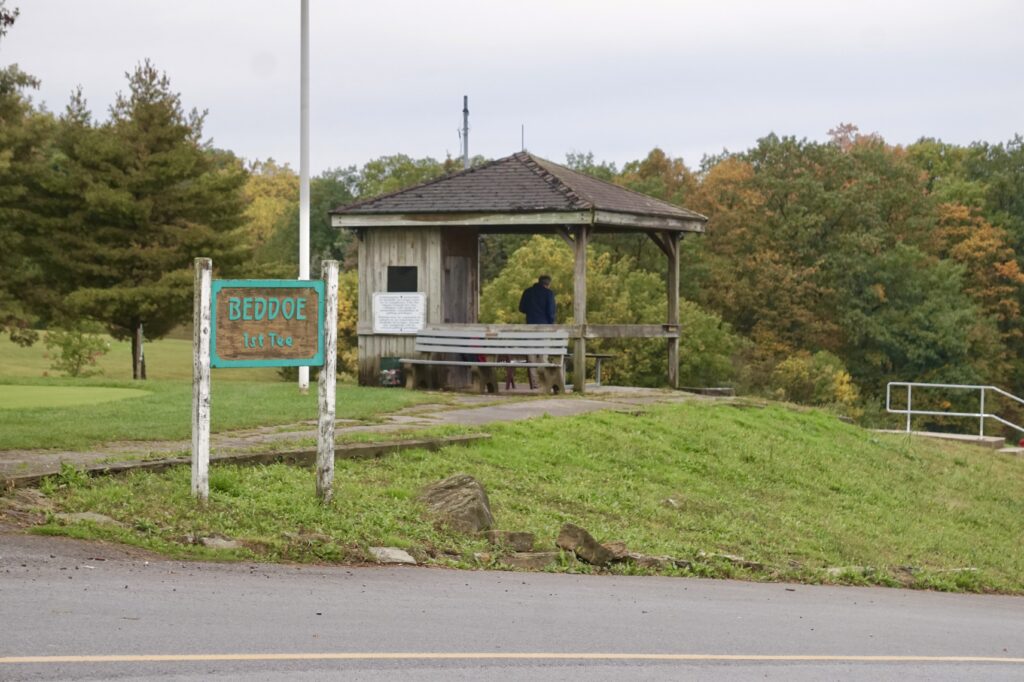
Between Aug. 10 and Oct. 2, the City of Hamilton took community feedback to decide new plans for the Chedoke Golf Club course, according to the Chedoke Golf Course Lands Review website. The Martin and the Beddoe are the two courses inside the municipally owned land.
The City of Hamilton is looking at repurposing lands now because of changing community needs, according to the City’s website. They will work with the Niagara Escarpment Commission (a provincial regulatory agency that makes decisions around escarpment land use) and the Hamilton Conservation Authority.
Some of the uses being considered include enhanced greenspace, natural area restoration, biodiversity improvements, stormwater management, and potential community-focused uses like urban agriculture according to the city website.
The City writes that it intends to “understand the values of those who currently use the site as well as those who do not, including understanding barriers to access and participation.”
But while the City of Hamilton looks at potential ways to repurpose a course, there are still many who use the course for its intended purpose.
The Hamilton Halton Junior Tour (HHJT) is a golf league for young people (ages 10 to 18 in split categories) that often uses the Martin course for events, including their 2026 qualifying day back in June. HHJT board member Garry McKay said because the course is owned by the municipality, prices are lower for the youth who play with the HHJT.
He also said many young people learn to play golf on these courses. McKay himself said he had learned to play golf on the municipally owned course, as well as others who have continued golfing. “I would hope that kids would find other places to play.”
Between youth engagement, history and a potential lack of revenue streams, McKay sees a loss with the removal of a golf course. “There’s so much history there, I would hate to lose that. Can you imagine the outcry when we try to tear down a historic building that’s still functional, still in use? This is the same thing. It’s still functional, it’s still in use.”
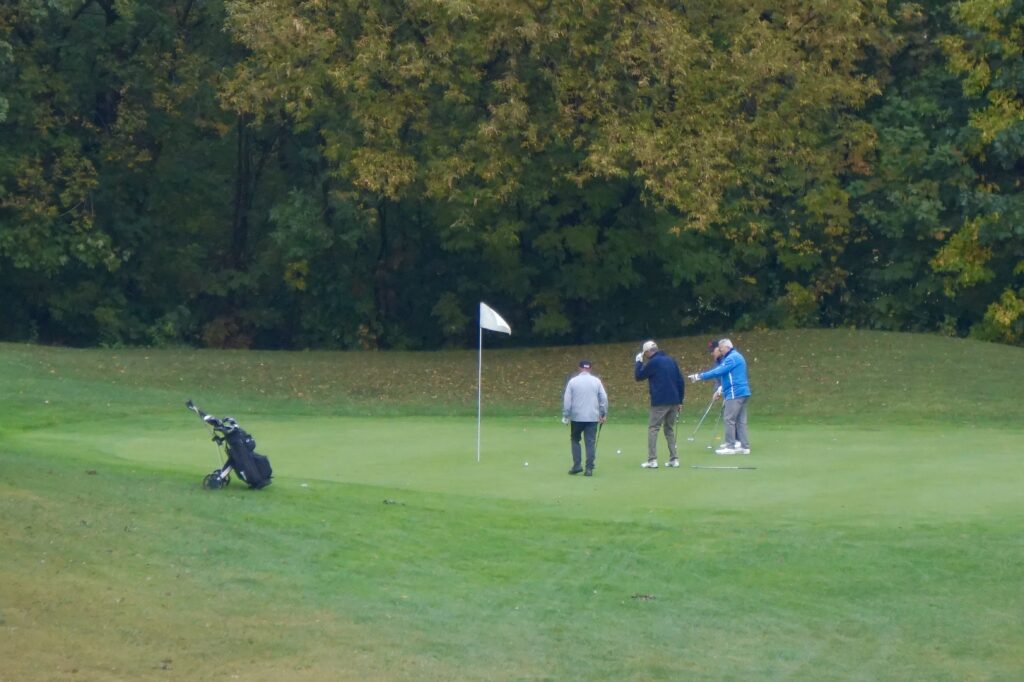
According to the City’s website, considerations don’t exclude the possibility of these features being included alongside a redesigned golf course according to the website. The land review is in response to climate goals and community need for greenspaces. The land review website describes “creative approaches to future designs that can allow for multiple uses.”
Chedoke lands have been used for golfing and for other recreational activities. It hosts the Chedoke Radial Trail (a section of the Bruce Trail), and a set of escarpment stairs connecting the upper and lower parts of the city.
Some who use the land for recreation have found a bit of tension with golfers.
“I know that Chedoke in particular has been a place well loved by the community, but as you can see, the golf carts meet bikes on this trail. So I’ve almost been hit by a golf cart a couple of times… I just said, ‘Hey, watch it!’” said Jamie MacLean who uses the Chedoke Trail to commute to work.
Golf courses have been criticized for their high environmental impacts and people are often concerned about pesticides, “excessive” use of water and high maintenance, according to the University of British Columbia.
“Having [a] mowed lawn that needs to be maintained, watered, kept weed free in a really nice, pristine green condition year round is going to have some environmental costs and impacts,” said Giuliana Casimirri, executive director of Green Venture, a Hamilton-based environmental group. She also said this is a “unique” opportunity to look at a large section of land and reconsider its use.
The golf course is steeped in history, as people have been playing golf on the Chedoke land for over 100 years beginning in 1896. Thompson, the designer, worked during the “golden age of golf,” according to McKay. Thompson would put “quirks” on his courses, including an example of “high-low-high” on the Martin’s 18th hole. This is a concept where the green is on a higher plateau seen from the tee McKay said.

Reporter, OTR, F2026.
