
AI disclosure statement: No AI tools were used in the creation of this article
Listen to the whole story here:
With hockey season getting underway, families across the GTA are facing difficult financial decisions as the cost of getting their children on the ice continues to rise. House league and competitive hockey can cost several thousand dollars per season once tournament travel and private training are added.
“My brother played hockey when we were growing up, I played in high school and I remember it being fairly priced but the financial commitment today is on a completely different level. When you have two kids playing, those additional costs add up quickly,” said Maria Cassaro, a hockey parent with two children playing the sport.
The Open Ice Initiative (OII), a Toronto non-profit that provides free equipment, coaching and ice time, breaks down the cost of getting one child equipped to play, listing $150 for skates, $85 for a helmet and cage, $55 for shoulder pads and $60 for gloves, among other expenses, bringing the equipment total to $550.
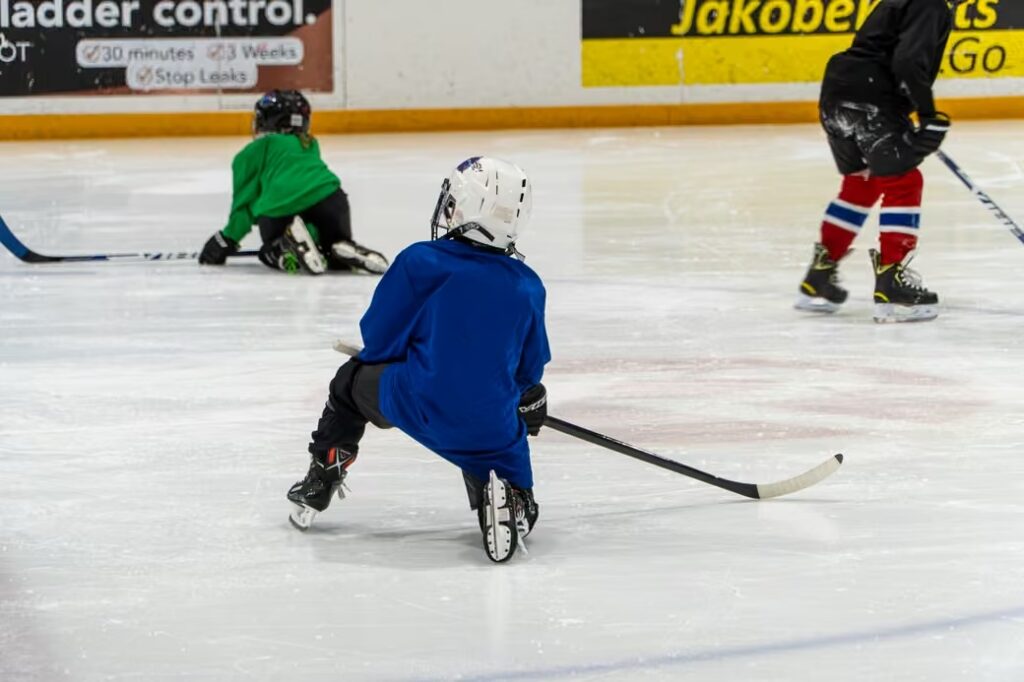
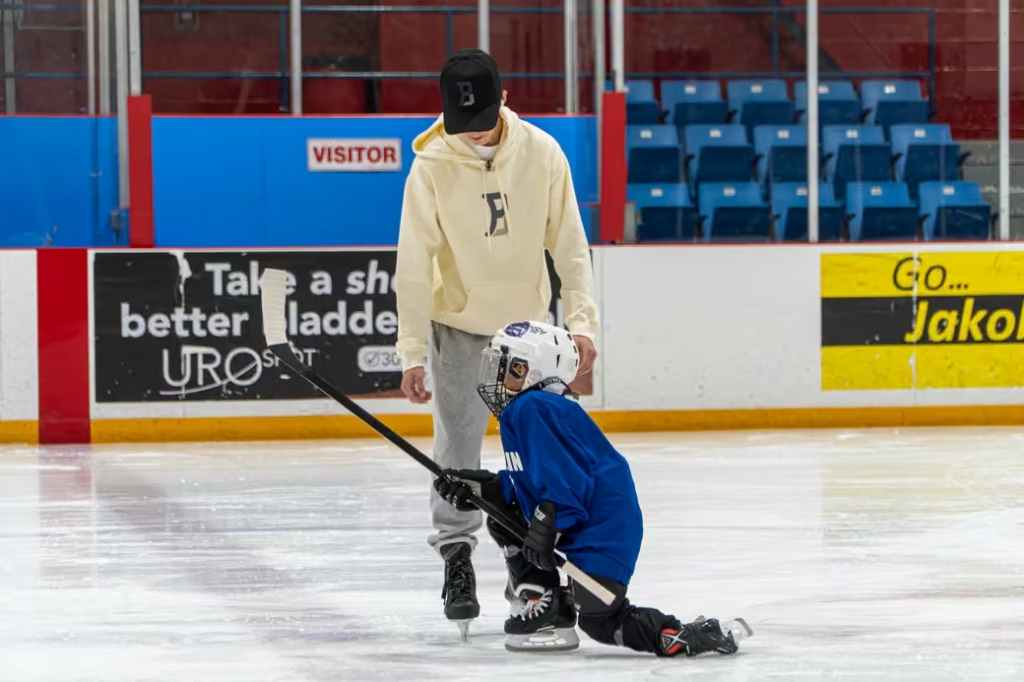
Since its launch in 2025, the Open Ice Initiative says it has reached more than 60 children, provided over 1,670 hours of free programming and distributed more than $15,000 worth of equipment.
Andrew Adair, founder of Toronto’s Open Ice Initiative, has seen those financial decisions firsthand.
“I played rep hockey myself and watched a teammate get priced out of it, forced to quit a team he was good enough for, purely over registration and gear costs,” said Adair.
“That was the moment this became real for me rather than an abstract issue.”
The rising cost of hockey is reflected in registration fees and the underlying cost of ice. The Greater Toronto Hockey League’s Player Registration Fee for competitive players increased from $950 in 2024-25 to $980 for the 2026-27 season, a $30 increase.
The GTHL said the increase was driven by inflationary pressures and rising operating costs, with 88 per cent of the fee going toward ice costs.
While these increases may seem modest on their own, they add to the growing costs families already face.
“My boys love playing, but at some point, you have to ask yourself how much you can realistically keep putting into the sport every year, it’s becoming unaffordable,” Cassaro said.
Adair estimates that it costs families $860 to fully outfit and coach one child for a season through the program. Equipment accounts for roughly $450 to $500, while ice time costs approximately $200 to $250. The remaining amount covers food, insurance and administration.
“I’ve seen parents choose between new skates and another household expense, siblings share one set of gear, and kids pulled from a team mid-season once the cost became unsustainable,” said Adair.
Programs such as the Open Ice Initiative provide families with a way to access hockey without taking on its full financial burden, but Adair said nonprofits alone cannot solve the affordability issue.
“Closing the affordability gap at scale needs structural change from the organizations that set registration costs in the first place,” said Adair.
Statistics Canada’s 2023 Canadian Health Survey on Children and Youth found that 58 per cent of children aged five to 11 and 57 per cent of youth aged 12 to 17 participated in physical activity with a coach or instructor, down from nearly 78 per cent in 2019.
Those financial barriers and declining participation was part of what led Adair to start the Open Ice Initiative.
For Adair, providing equipment and ice time is only part of making hockey accessible. He said newcomer and immigrant families can face challenges navigating registration systems and finding subsidized programs, while families in underserved neighbourhoods may also face transportation barriers when trying to reach rinks.
He said hockey associations could introduce sliding-scale registration fees, municipalities could provide more ice subsidies in underserved communities and minor hockey leagues could establish equipment exchange programs.
Jaime Chua, a coach with the Open Ice Initiative, has seen firsthand how difficult it can be for some children to get comfortable in a hockey environment.
“Children, especially the ones that had not been on the ice before, had been reluctant to step on the ice, let alone enter the changerooms,” he said.
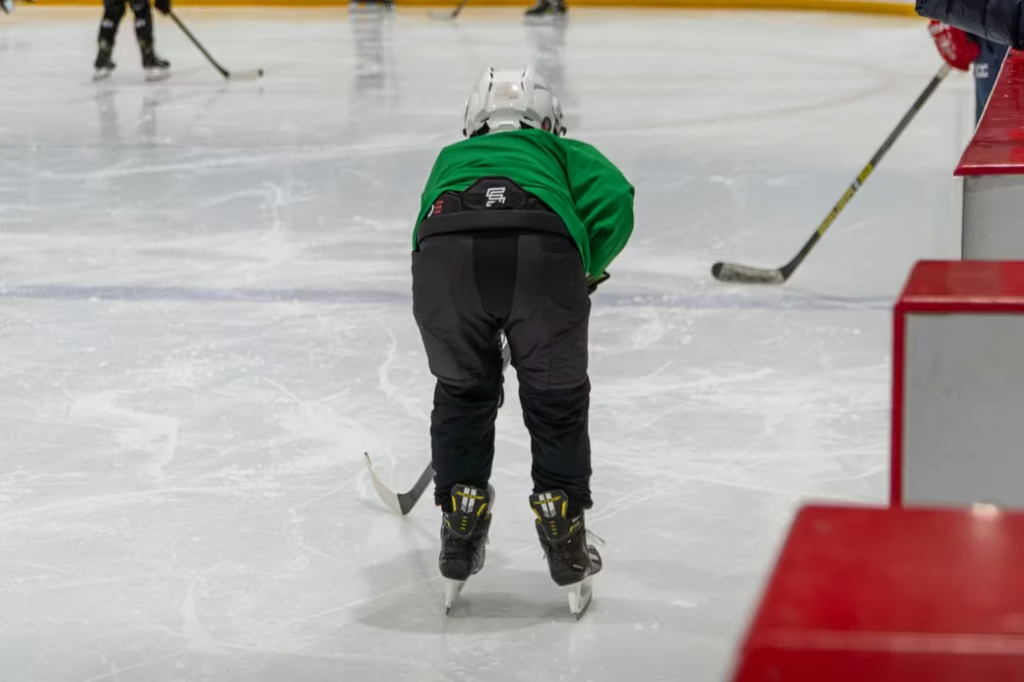
As the program continued, Chua said the children became more comfortable on the ice and around other players.
“By providing free ice time to families, it definitely changes the experience because it takes away that mental and financial barrier that people might struggle with,” said Chua.
For families across the GTA, the issue is not necessarily whether children want to play hockey, but whether their families can afford to let them.

Reporter, OTR, F2026.
